Growing Through Movement

Mason O'Donnell
| 30-10-2026
 · News team
Children need more than classroom lessons and screen time to grow well. They also need opportunities to run, jump, climb, ride bicycles, and explore the world around them.
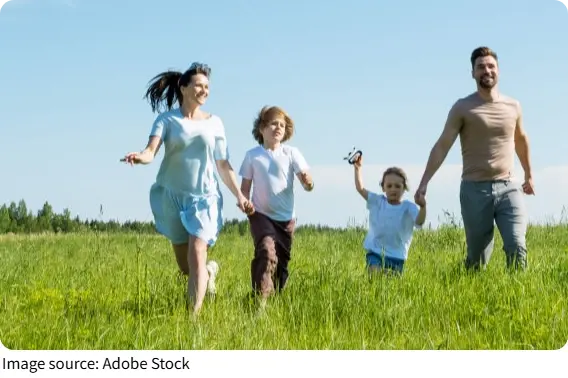
Outdoor activities support physical development while making family time more enjoyable. When parents join their children, exercise becomes an opportunity to build confidence, discover new interests, and create meaningful memories together.
Supporting Healthy Physical Development
Regular outdoor movement helps children develop strength, balance, and endurance. Activities such as running, jumping, climbing, and cycling engage different muscle groups and encourage active lifestyles.
Walking, jumping, and climbing also support healthy physical development. These activities help children build strength and improve overall fitness over time. Outdoor environments provide another benefit: natural daylight offers a different visual experience from indoor screen use. Spending time outside, combined with reasonable screen limits and regular breaks, can help encourage healthy eyesight habits.
Parents do not need expensive equipment to get started. A playground, walking path, open field, or safe cycling area can provide enough space for enjoyable movement.
Creating Happier and More Confident Children
Schoolwork, busy schedules, and long periods of screen use can sometimes leave children feeling tired or frustrated. Physical activity offers a healthy way to release energy and enjoy a change of surroundings.
Running across an open field, jumping over simple obstacles, or exploring a walking trail can help children relax. Movement also gives them opportunities to experience small achievements, such as completing a route or learning a new skill.
Parents can make these moments more meaningful by participating. A shared cycling trip, a friendly running challenge, or a walk through a green space creates opportunities for encouragement and positive communication.

Improving Coordination and Body Awareness
Children need to learn how to coordinate their movements, maintain balance, and understand the space around them.
Different activities offer different challenges. Climbing equipment encourages children to coordinate their arms and legs. Cycling develops balance, while jumping games help children judge distance and control their movements.
Simple stretching activities can also introduce children to controlled movement. Parents can demonstrate gentle arm movements, leg stretches, and basic balance exercises.
These activities can be adapted to different ages and abilities. Younger children might enjoy stepping over small obstacles, while older children may prefer longer cycling trips. The goal is to make movement enjoyable rather than turning every activity into formal training.
Building Stronger Family Connections
Outdoor exercise creates a natural setting for parents and children to spend meaningful time together. Instead of focusing on separate screens, families can participate in activities that encourage cooperation.
Parents and children might complete a walking route, play a catching game, or encourage each other during a cycling session. These shared experiences also create opportunities for conversation. Children may naturally talk about school, friendships, or personal interests while walking or playing.
Parents can demonstrate patience and encouragement by celebrating effort rather than focusing only on results. This helps children feel appreciated and supported.
Encouraging Curiosity Through Nature
Outdoor environments provide experiences that screens cannot fully reproduce. Children can observe leaves moving in the breeze, notice different flower shapes, listen to birds, and feel changes in the weather.
Parents can make walks more interesting by inviting children to compare leaf shapes, notice natural patterns, or describe the sounds around them.
Simple exploration games can encourage children to pay attention to their surroundings. These discoveries support curiosity, imagination, and observation while making ordinary walks more engaging.
Making Outdoor Exercise a Daily Habit
Consistency matters more than occasional demanding exercise sessions. Rather than saving all physical activity for weekends, families can include shorter outdoor periods in their daily schedules.
A morning walk, an afternoon playground visit, or a short cycling session after school can make movement part of everyday life. The appropriate amount of activity depends on a child's age, abilities, and daily routine.
Safety and comfort should always come first. During sunny weather, parents can choose suitable clothing, hats, shaded routes, and child-appropriate sun protection. Children should also have drinking water and opportunities to rest.
Most importantly, parents should respect each child's pace. Some enjoy climbing and running, while others prefer walking or exploring plants. Forcing difficult activities may reduce their interest.
Final Thoughts
Outdoor family activities offer benefits beyond physical fitness. They support movement skills, encourage curiosity, provide opportunities for emotional development, and strengthen family relationships.
A short walk, a playful challenge, or a weekend cycling trip can become a meaningful routine. When parents make movement enjoyable and welcoming, children are more likely to develop a lasting interest in staying active and discovering the world around them.