Stress Becomes Normal?

Matteo
| 02-11-2026
 · News team
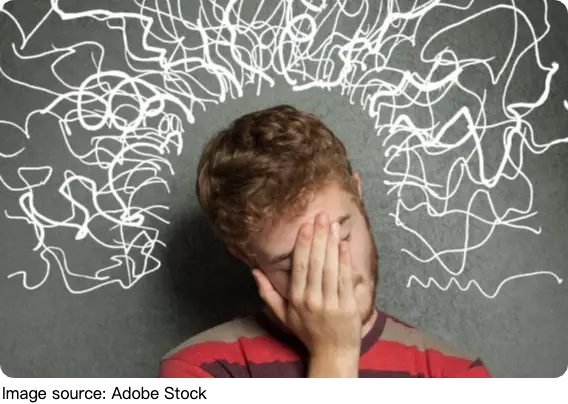
Stress is often considered a temporary response to demanding situations, but for many people, it has gradually become a regular feature of everyday life. Financial responsibilities, family commitments, workplace expectations, and uncertainty about the future can create pressure that feels difficult to escape.
A new survey from the American Psychological Association (APA) suggests that many Americans are becoming accustomed to living with persistent stress rather than expecting it to disappear.

Stress Is Becoming Part of the Daily Routine
According to the APA's 2026 Stress in America survey, approximately 72% of respondents agreed that stress was simply something they had to live with. Another 72% reported that negative news no longer surprised them as much as before, while 68% said they had become accustomed to uncertainty.
These responses suggest that prolonged pressure can gradually change how people perceive everyday experiences. Situations that once caused considerable concern may eventually become familiar, particularly when similar challenges continue without a clear resolution.
However, familiarity should not be confused with healthy adjustment. Persistent stress can affect concentration, emotional regulation, sleep quality, and the ability to manage ordinary responsibilities. When pressure becomes continuous, individuals may begin treating exhaustion and tension as unavoidable conditions rather than signs that additional support could be beneficial.
Financial Pressure Remains a Major Concern
The survey identified everyday living expenses as the most frequently reported source of significant stress. Approximately 77% of respondents cited the cost of living, including housing payments, groceries, and childcare expenses. Financial pressure can affect several areas of daily life simultaneously. Rising household expenses may require difficult spending decisions, reduce opportunities for leisure, and create uncertainty about future savings.
Stress Can Affect Social Connections
One particularly important finding involved changes in social participation. Nearly 47% of respondents reported withdrawing from at least one form of social engagement during the previous year because of stress, uncertainty, or feeling overwhelmed. Social activities often provide emotional support, opportunities for relaxation, and a sense of belonging. Regular conversations with friends, family gatherings, and community activities can offer valuable breaks from demanding routines.
However, persistent stress may make participation feel exhausting. Some individuals may cancel plans, avoid conversations, or spend more time alone because maintaining social commitments requires additional energy. Although temporary solitude can provide space for recovery, prolonged withdrawal may reduce access to supportive relationships. Maintaining manageable social connections can therefore become particularly important during demanding periods.
Changing Ways of Seeking Emotional Support
The APA survey also examined the growing use of artificial intelligence for personal guidance and conversation. Among respondents who used AI, 49% reported having conversations with it as though it were a friend, while 47% had used it in a role comparable to a mental health professional. These findings demonstrate how digital technology is becoming part of everyday information-seeking and emotional support habits.
Expert Insight
Arthur C. Evans Jr., PhD, chief executive officer of the American Psychological Association, emphasized the difference between becoming accustomed to pressure and managing it in a healthy way. In the APA's official October 2026 announcement, Evans stated: “Becoming accustomed to chronic stress is not the same as adapting to it in a healthy way.”
Practical Ways to Manage Persistent Stress
Although stressful circumstances cannot always be eliminated, certain habits can make daily pressure easier to manage. Regular physical activity, sufficient sleep, balanced nutrition, and realistic scheduling can support emotional and physical well-being. Maintaining meaningful relationships is equally valuable. Conversations with trusted friends or family members can provide perspective and reduce feelings of isolation.
Setting manageable goals can also help restore a sense of progress. Breaking larger responsibilities into smaller tasks makes demanding situations easier to approach without creating unrealistic expectations. When stress becomes overwhelming or begins interfering with everyday functioning, professional mental health support can provide additional guidance.
The APA's 2026 survey reveals that many Americans are becoming accustomed to persistent stress, with financial pressure, uncertainty, and changing social habits contributing to everyday challenges. The findings also show that some people are reconsidering personal expectations and seeking emotional support through digital technology.
Becoming familiar with stress does not mean its effects should be ignored. Healthy coping habits, supportive relationships, realistic goals, and access to qualified professionals can help people manage demanding circumstances while protecting long-term well-being.