Healthy Blood Pressure

Matteo
| 04-11-2026
 · News team
High blood pressure is a common health concern among older people. As blood vessels gradually become less flexible with age, blood pressure may increase.
A combination of healthy lifestyle choices, regular monitoring, and appropriate medical care can help support cardiovascular health.
Managing blood pressure involves making informed decisions about nutrition, physical activity, sleep, and prescribed treatment. Establishing sustainable habits can also help older people maintain their mobility and independence.
Understanding Blood Pressure
Blood pressure measures the force of blood against artery walls and is expressed through two numbers.
- Systolic pressure: Measures the force when the heart contracts.
- Diastolic pressure: Measures the pressure when the heart relaxes between beats.
Age-related changes in blood vessels can contribute to higher systolic pressure. Measurements may also fluctuate throughout the day according to physical activity, sleep, and other factors.
Because high blood pressure often develops without noticeable symptoms, routine measurements are important for identifying changes and guiding medical decisions.
Choose Nutritious Foods
A balanced diet supports cardiovascular health by providing essential nutrients. Vegetables, fruits, whole grains, beans, and unsalted nuts supply fibre, potassium, and magnesium.
Fish, eggs, and suitable dairy products provide protein and other valuable nutrients. Including different food groups helps maintain a varied and balanced eating pattern.
Pay attention to sodium intake by limiting highly processed meals, packaged snacks, and salty seasonings. Preparing meals with fresh ingredients and herbs makes it easier to control the amount of salt used.
People with kidney conditions should seek professional advice before making significant changes to their potassium intake.

Make Exercise a Daily Habit
Physical activity helps improve cardiovascular fitness, muscle strength, and mobility. Walking, swimming, gentle cycling, and Tai Chi are suitable options for many older people.
Aim for at least 150 minutes of moderate-intensity activity each week, according to individual ability and health requirements. Short sessions spread across the week can make this goal easier to achieve.
As the World Health Organization states, “Some physical activity is better than none.”
Include muscle-strengthening activities at least twice weekly and regular balance exercises to support coordination and independence. Anyone with existing health conditions or physical limitations should discuss an appropriate exercise programme with a healthcare professional.
Monitor Blood Pressure at Home
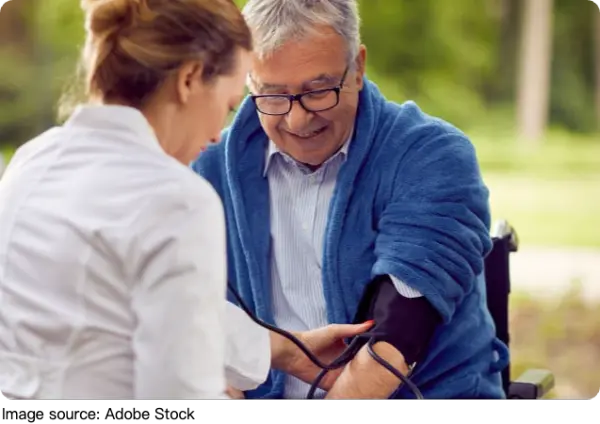
Home measurements provide useful information between medical appointments. Choose a validated automatic upper-arm monitor with an appropriately sized cuff.
For accurate readings, avoid caffeine and exercise for approximately 30 minutes beforehand. Empty your bladder if necessary and sit quietly for five minutes.
Keep your back supported, feet flat on the floor, legs uncrossed, and arm resting at heart level. Take two measurements approximately one minute apart and record the results.
Follow a consistent measurement schedule recommended by your healthcare professional and bring the records to appointments.
Prioritize Sleep and Well-Being
Regular sleep schedules and a comfortable bedroom environment can support overall cardiovascular health. Aim for sufficient rest and maintain consistent sleeping and waking times.
Reading, enjoying hobbies, spending time outdoors, and maintaining social connections can also support emotional well-being.
Hydration is another important consideration. Individual fluid requirements vary, particularly among people with certain medical conditions, so follow professional recommendations.
Follow Prescribed Treatment
Some older people require medication alongside lifestyle improvements to manage hypertension. Take prescribed medication according to the recommended schedule and attend regular medical reviews.
Never change the dosage or discontinue treatment independently, even when readings improve. If medication causes dizziness, persistent coughing, unusual tiredness, or swelling, discuss these effects with a healthcare professional.
Recognize When to Seek Medical Attention
A blood pressure reading higher than 180 mmHg systolic and/or 120 mmHg diastolic requires prompt attention. Wait at least one minute and measure again.
If the second reading remains this high, contact a healthcare professional immediately. If it occurs alongside chest pain, shortness of breath, sudden weakness or numbness, vision changes, or difficulty speaking, contact emergency services immediately.
Repeated dizziness, especially when standing, also deserves medical assessment so that blood pressure patterns and medication can be reviewed.
Build Lasting Heart-Healthy Habits
Maintaining healthy blood pressure requires a practical routine that combines balanced nutrition, regular exercise, accurate monitoring, sufficient sleep, and appropriate medical treatment.
By following these practices and adapting them to individual health needs, older people can support cardiovascular function, preserve independence, and enjoy a more active quality of life.