New Food Pyramid

Luca
| 18-11-2026
 · News team
A balanced diet involves more than counting calories or deciding how much protein and carbohydrate to consume. The quality of ingredients, their nutritional value, and the way different foods work together also influence long-term health.
A new international food pyramid offers a fresh approach by placing vegetables, fruits, whole grains, and legumes at the centre of everyday eating.
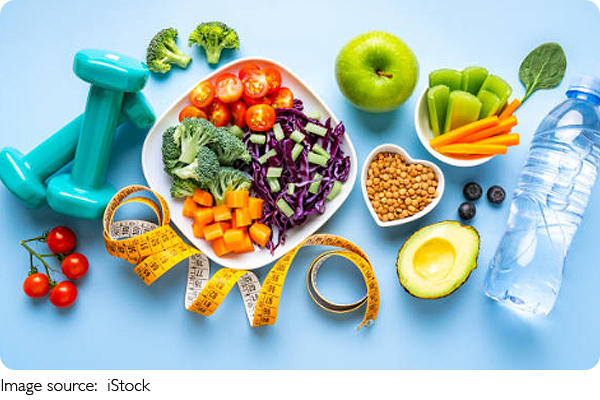
Published in September 2026 in Advances in Nutrition, the framework was developed by 22 nutrition experts from several countries. It draws on comparisons of national dietary recommendations and evidence from more than 250 scientific publications. Rather than eliminating particular food groups, the pyramid encourages a flexible eating pattern built around nutrient-rich plant foods.
What Makes the New Pyramid Different?
Traditional food pyramids have often grouped foods according to broad nutritional categories. The newer international model gives greater attention to the quality and sources of carbohydrates, protein, and cooking ingredients. Vegetables, fruits, whole grains, and legumes form its foundation.
Nuts, seeds, and plant oils are also encouraged as important parts of a balanced eating pattern. Animal-based foods remain included, but plant proteins receive greater emphasis, while fish and poultry are preferred more often than red and processed meat.
Why Plant Foods Form the Foundation
Vegetables, fruits, beans, and whole grains provide a combination of dietary fibre, vitamins, minerals, and naturally occurring plant compounds. Fibre supports digestive function and can help maintain healthy cholesterol and blood glucose levels. Legumes such as lentils, chickpeas, and beans are particularly useful because they provide both protein and fibre. Nuts and seeds contribute additional nutrients, while vegetables and fruits offer a wide range of protective compounds.
Research on eating patterns such as the Mediterranean and DASH diets has associated greater consumption of plant foods with improved cardiovascular health. These patterns are also linked with better management of blood pressure and blood glucose.
Carbohydrate Quality Matters More Than Avoidance
One of the pyramid's central messages is that carbohydrates should not be judged solely by their total quantity. Their nutritional quality also deserves attention. Whole grains, including oats, barley, and intact wheat, generally provide more fibre and micronutrients than highly refined grain products. Legumes, fruits, and vegetables also supply carbohydrates alongside valuable nutrients.
The framework considers fibre content, food processing, and glycaemic index. Glycaemic index describes how quickly carbohydrate-containing foods can raise blood glucose compared with a reference food. Choosing less refined options can help support steadier blood glucose responses and improve overall dietary quality.
Choosing Protein and Cooking Ingredients
The pyramid recommends making plant proteins regular meal components. Beans, peas, lentils, nuts, and seeds can provide useful alternatives to relying heavily on meat. Fish, poultry, eggs, and yogurt can also remain part of a balanced eating pattern. For cooking, olive and canola oils are highlighted as sources of unsaturated fatty acids.
Expert Insight
Michelle Routhenstein, a preventive cardiology dietitian at Entirely Nourished who was not involved in developing the pyramid, highlighted its emphasis on food quality. “The new international food pyramid places greater emphasis on food quality and the importance of building meals around nutrient-dense plant foods, while still allowing room for lean animal proteins such as fish, poultry, eggs, and yogurt,” she told Healthline.
Simple Ways to Apply the Recommendations
The pyramid can be translated into everyday choices without completely changing familiar meals. Several practical adjustments include:
- Replace some refined white bread with whole-grain bread.
- Add lentils, chickpeas, or beans to soups and main dishes.
- Choose fruit, nuts, or seeds for snacks more often than highly processed packaged options.
- Use olive or canola oil for cooking.
- Include vegetables in a greater proportion of everyday meals.
- Choose water or unsweetened sparkling water instead of sugary drinks.

The new international food pyramid places vegetables, fruits, whole grains, and legumes at the foundation of a balanced diet. By prioritizing variety, fibre-rich ingredients, and less processed choices, the recommendations offer a flexible approach to everyday nutrition and long-term wellbeing.